
Cidade das Palavras is a city-management learning game designed to help speech therapists and educational psychologists support children’s language development.
The game is part of Fonoflix, a subscription platform that allows professionals to manage patients, track metrics, and integrate exercises into therapy routines.
Because the product needed to serve both children and professionals, the main UX challenge was creating a game that was:
• Engaging for young players
• Understandable for non-gamer adults
• Aligned with real therapeutic practices
• Understandable for non-gamer adults
• Aligned with real therapeutic practices
PS: The game is only available in Portuguese.
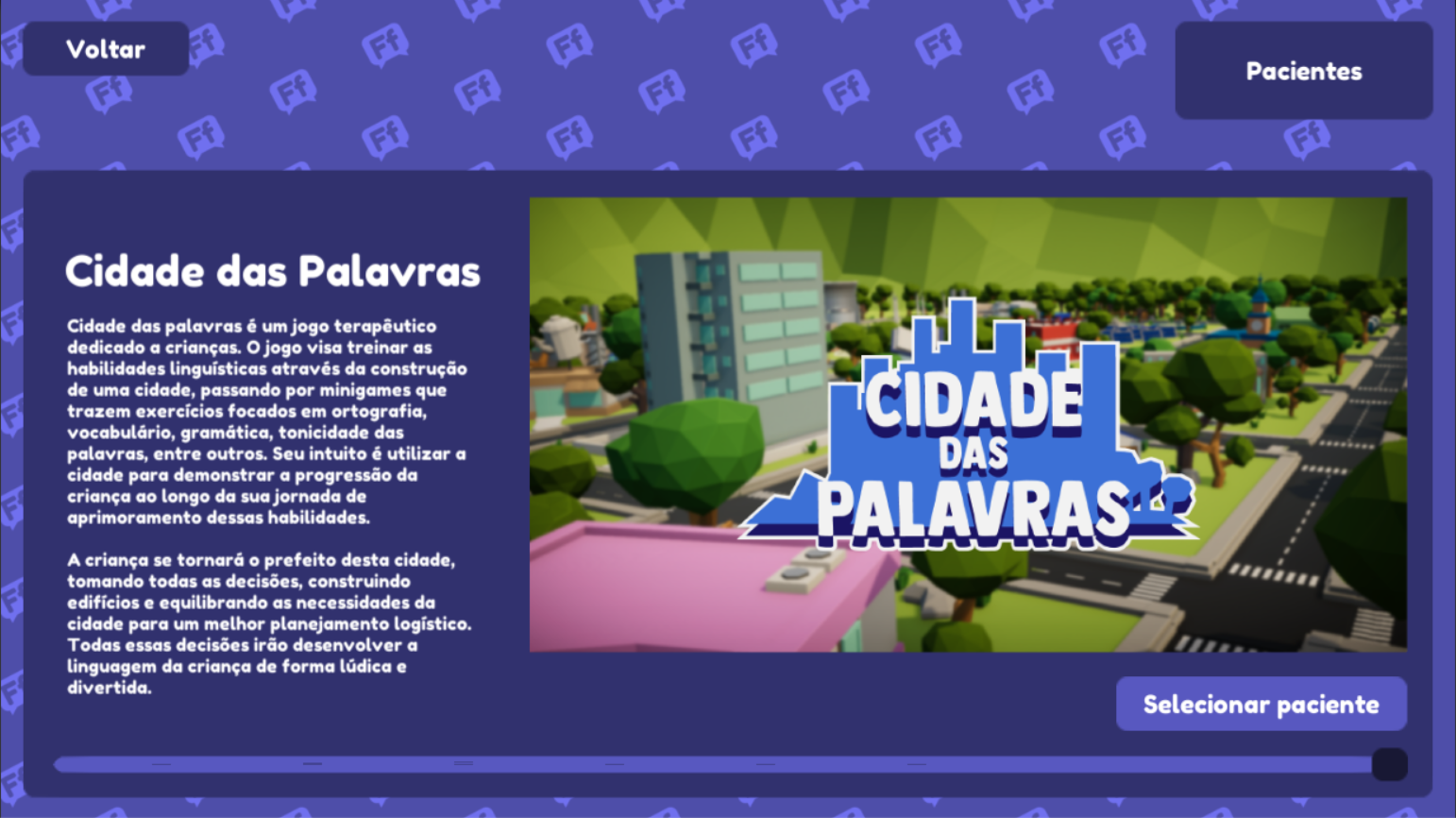
Fonoflix platform with Cidade das Palavras

Unlike entertainment games, Cidade das Palavras had to balance:
• Educational accuracy
• Motivational feedback for children
• Usability for professionals
• Measurable skill progression
• Motivational feedback for children
• Usability for professionals
• Measurable skill progression
Early design questions included:
• How do we turn clinical exercises into intuitive gameplay?
• How do we avoid overwhelming children with instructions?
• How can professionals trust the game’s pedagogical value?
• How do we turn clinical exercises into intuitive gameplay?
• How do we avoid overwhelming children with instructions?
• How can professionals trust the game’s pedagogical value?
The goal became: Transform therapeutic exercises into clear, motivating interactions without losing educational intent.

To ground the design in real practice, we conducted research through:
• Speech therapy books and educational materials
• Interviews with speech therapists
• Analysis of commonly used exercises
• Interviews with speech therapists
• Analysis of commonly used exercises
This research revealed that children’s development requires exposure to multiple language skills simultaneously rather than isolated drills.
This insight directly changed the structure of the game.
First prototype of the game

The first prototype focused on one type of exercise at a time. Testing with professionals showed this would not sufficiently support language development.
Decision
We redesigned the structure to integrate multiple skill types as the city grows. Instead of isolated activities, the game now combines:
• Multiple minigames targeting different skills
• A city that evolves based on progress
• Resource balancing that encourages decision-making
• A city that evolves based on progress
• Resource balancing that encourages decision-making
This connected exercises to visible progression, increasing motivation, and perceived meaning.

Three minigames were designed to cover complementary skills such as:
• Spelling
• Vocabulary
• Grammar
• Word stress
• Vocabulary
• Grammar
• Word stress
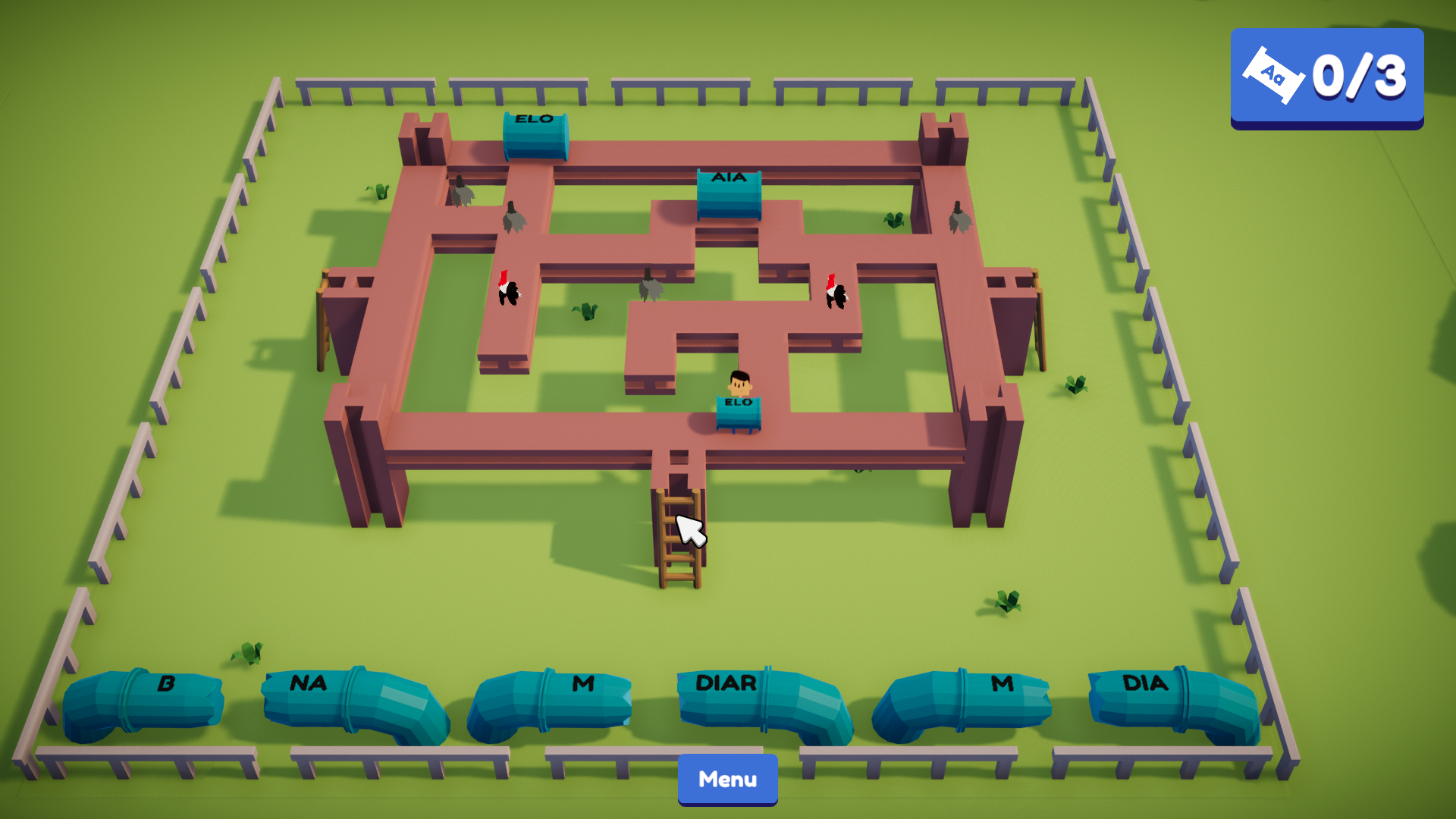
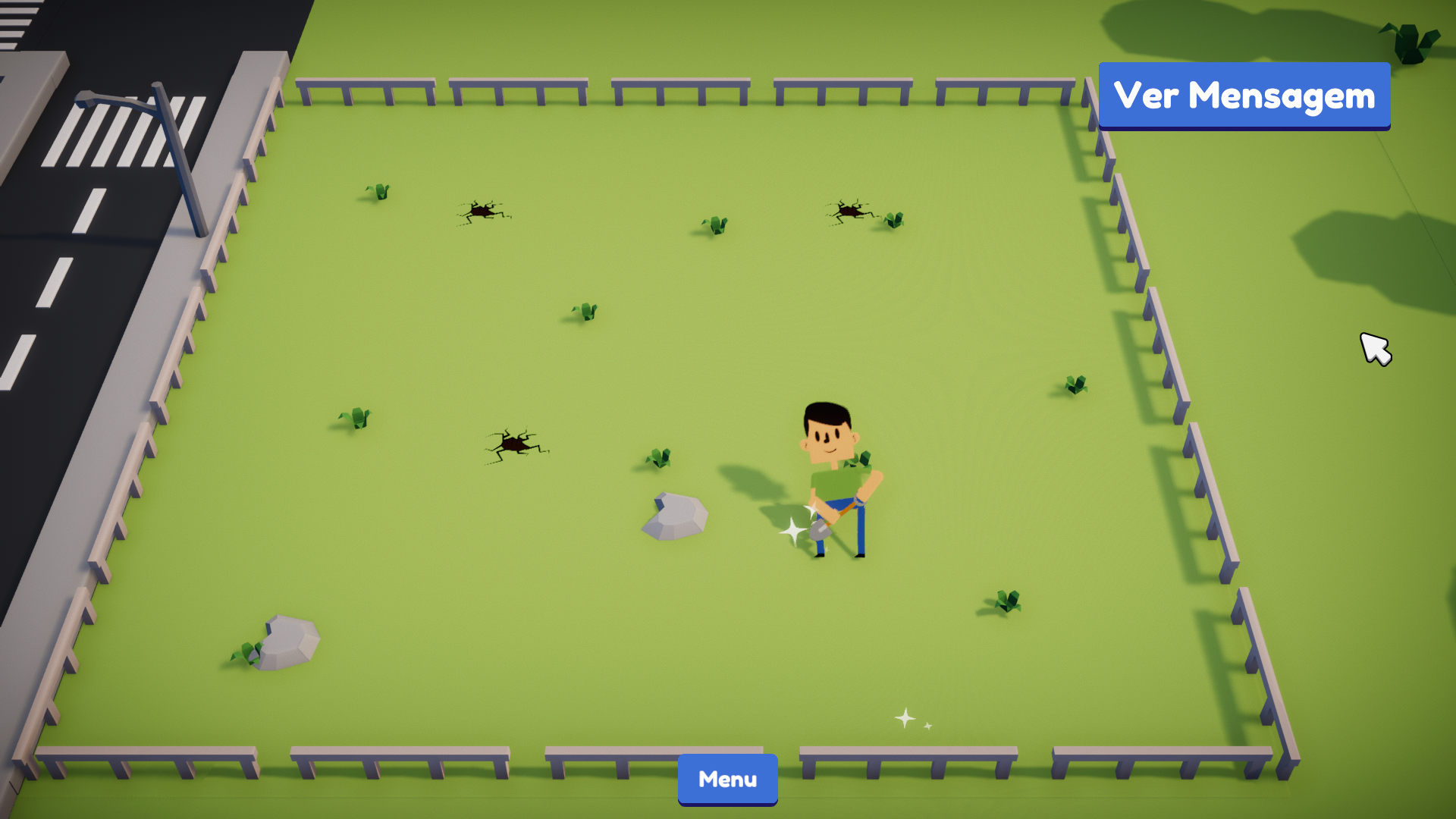
Each minigame focuses on a single cognitive action at a time to avoid overload while still supporting holistic development. This structure helps professionals understand what skill is being trained and helps children stay focused.
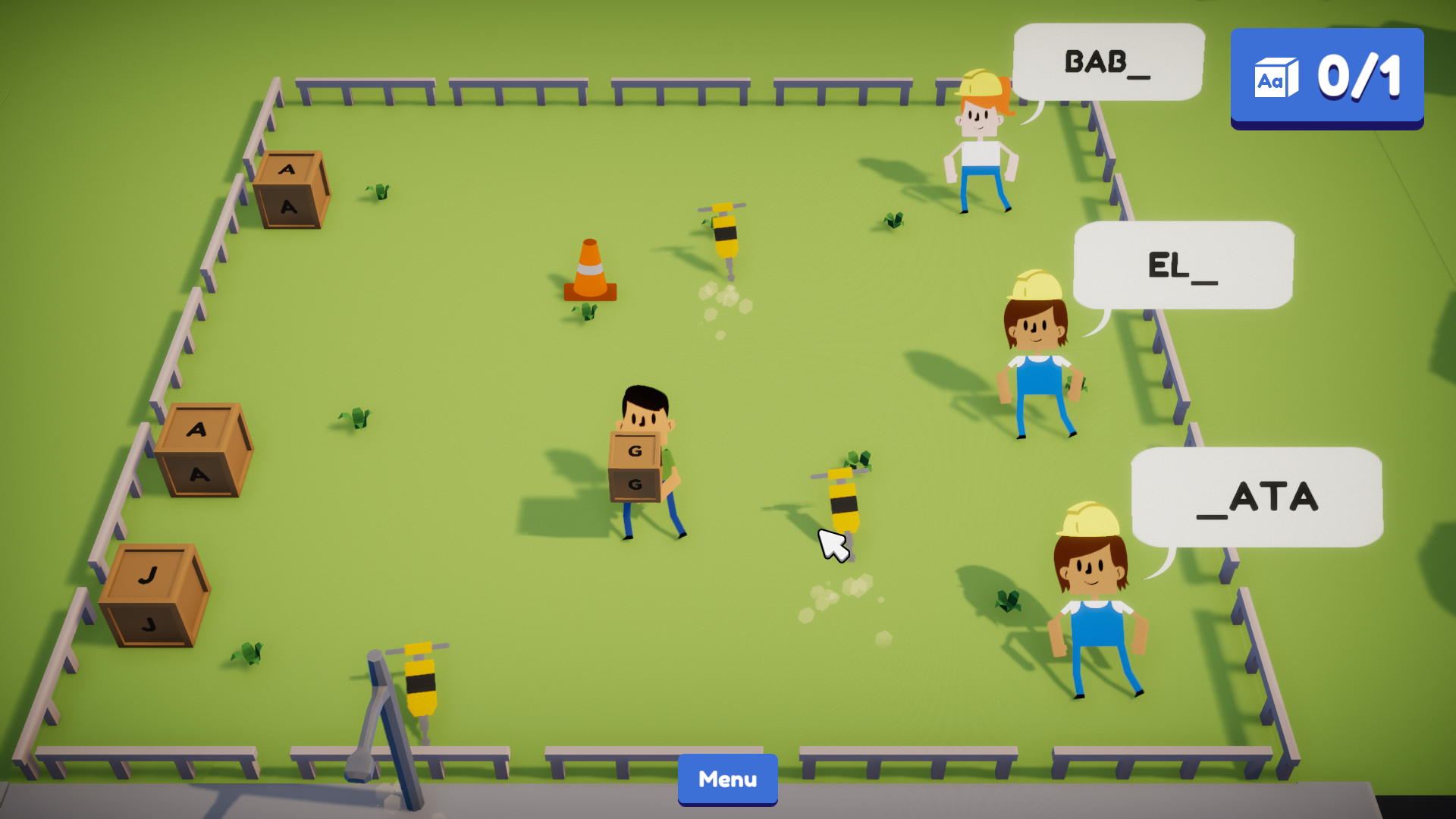
Minigame 1: Complete the Words
Minigame 2: Word in Word
Minigame 3: Reveal the Message
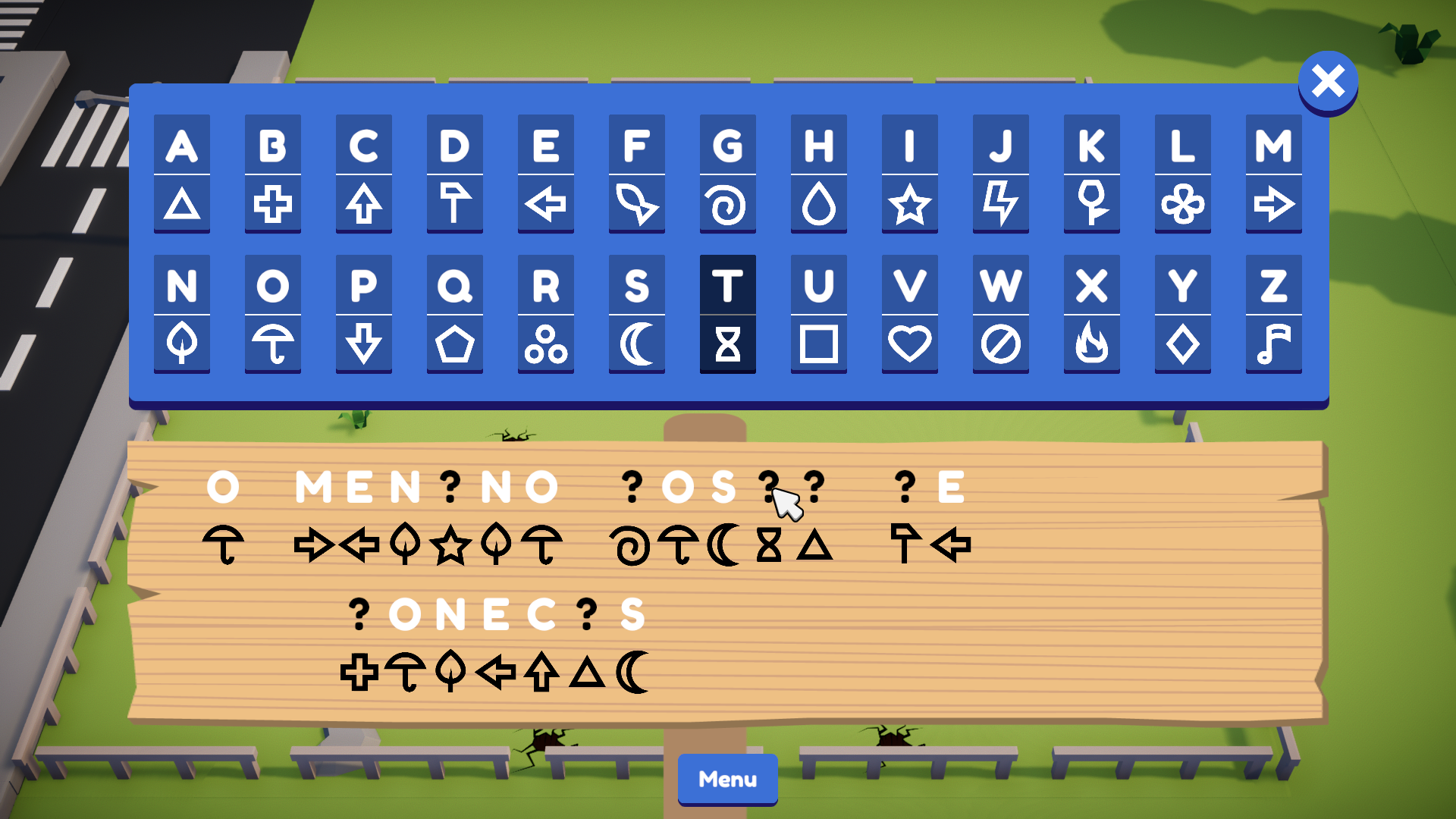
Minigame 3: Reveal the Message

To make learning visible and motivating, we connected skill development to city expansion.
Goals
• Reinforce progress visually
• Create long-term motivation
• Provide a sense of achievement
• Create long-term motivation
• Provide a sense of achievement
As children complete exercises, the city evolves, turning abstract language progress into tangible feedback. This supports both children's engagement and professionals' interpretability.
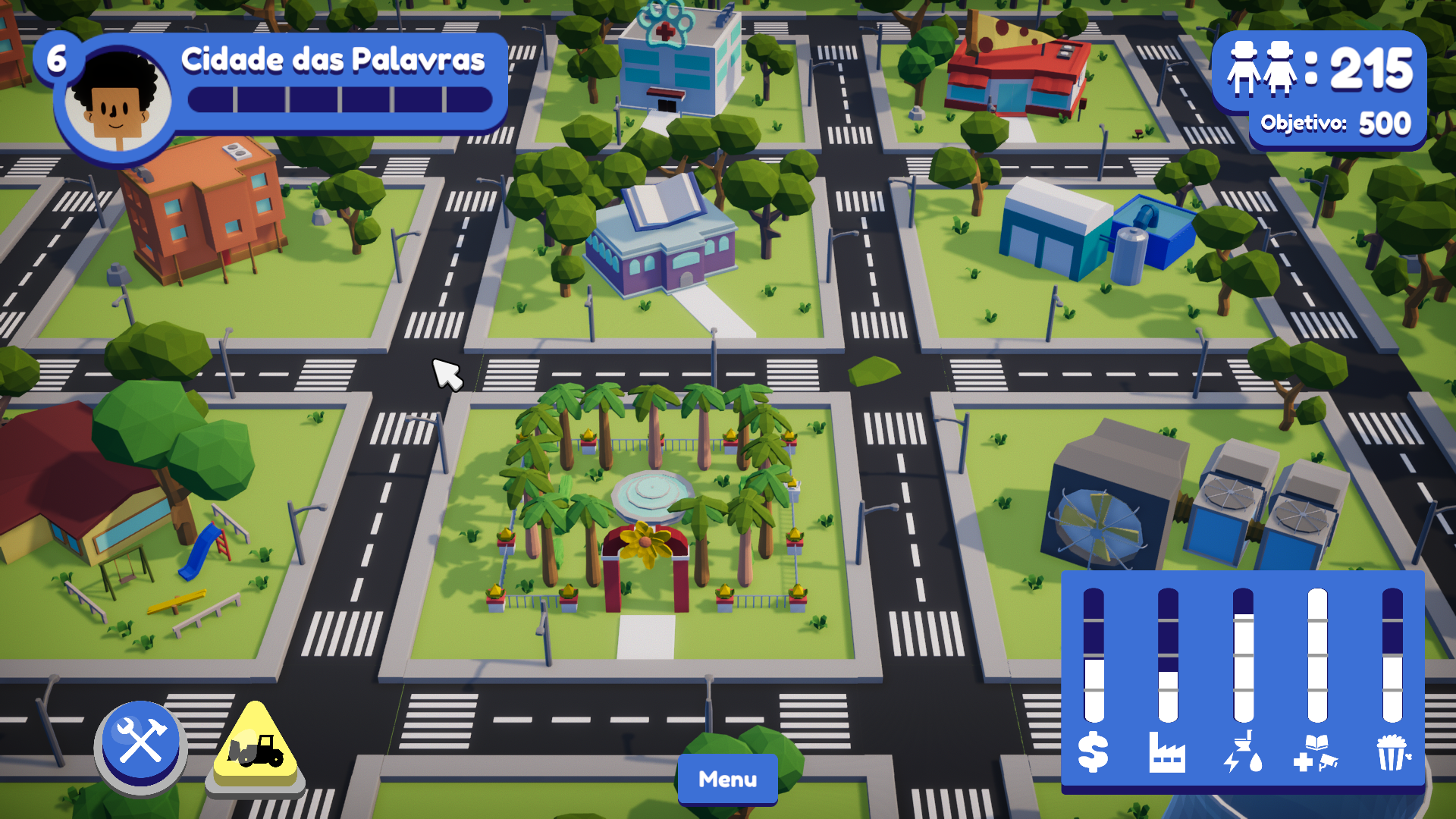
City Progression

Because the game serves children and adults unfamiliar with games, onboarding required special attention.
Challenges
• Avoid heavy reading requirements
• Prevent instruction overload
• Support gradual learning
• Prevent instruction overload
• Support gradual learning
Solutions
• The tutorial is distributed across the game rather than presented all at once
• Each mechanic is introduced only when needed
• A helper character guides attention and creates a narrative anchor
• Minigame tutorials use short looping animations that demonstrate instead of text blocks
• Each mechanic is introduced only when needed
• A helper character guides attention and creates a narrative anchor
• Minigame tutorials use short looping animations that demonstrate instead of text blocks
This approach reduces cognitive load and supports learning by observation rather than explanation.
I also implemented the tutorial logic and flow directly, ensuring the experience matched design intent.
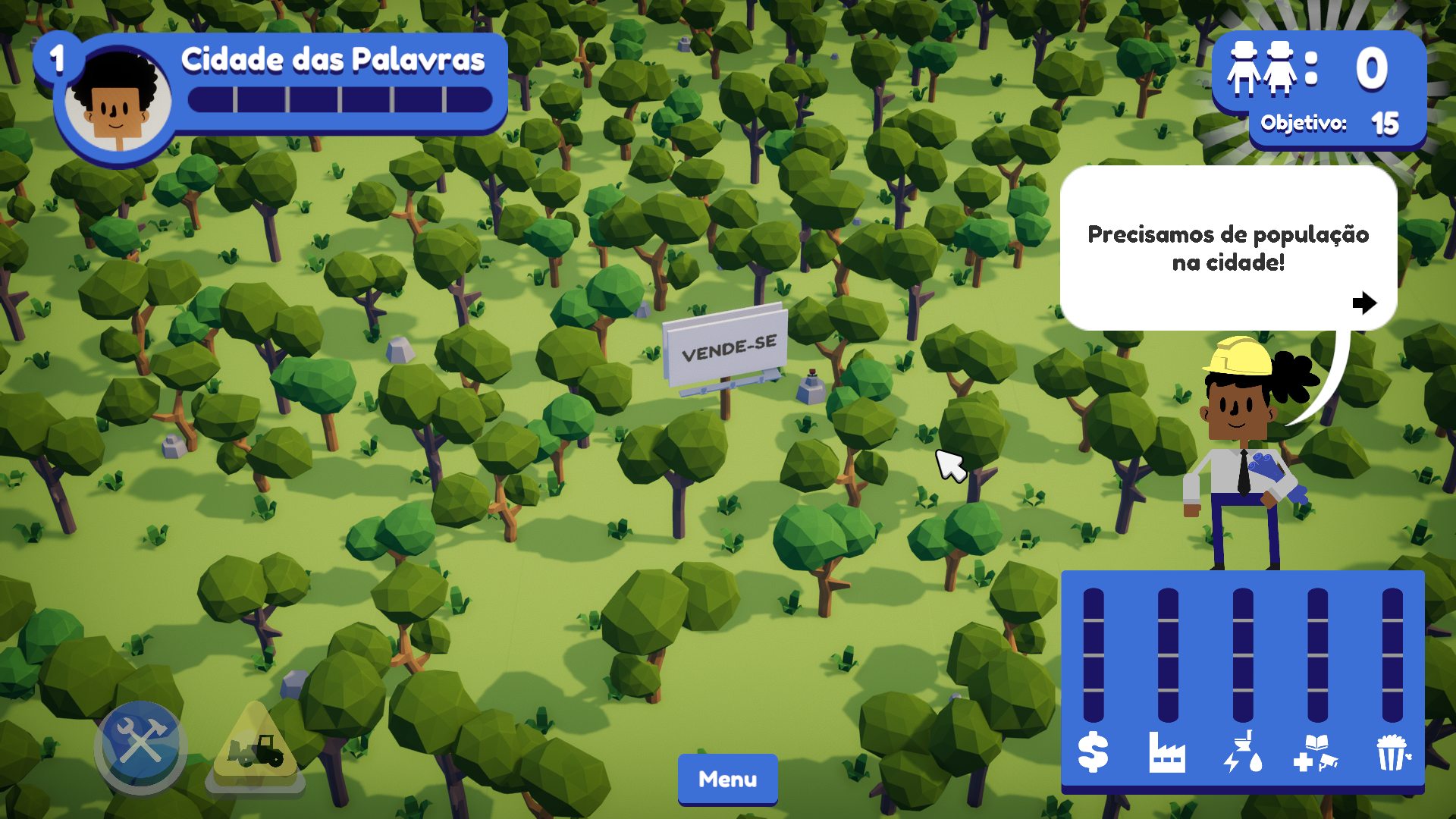
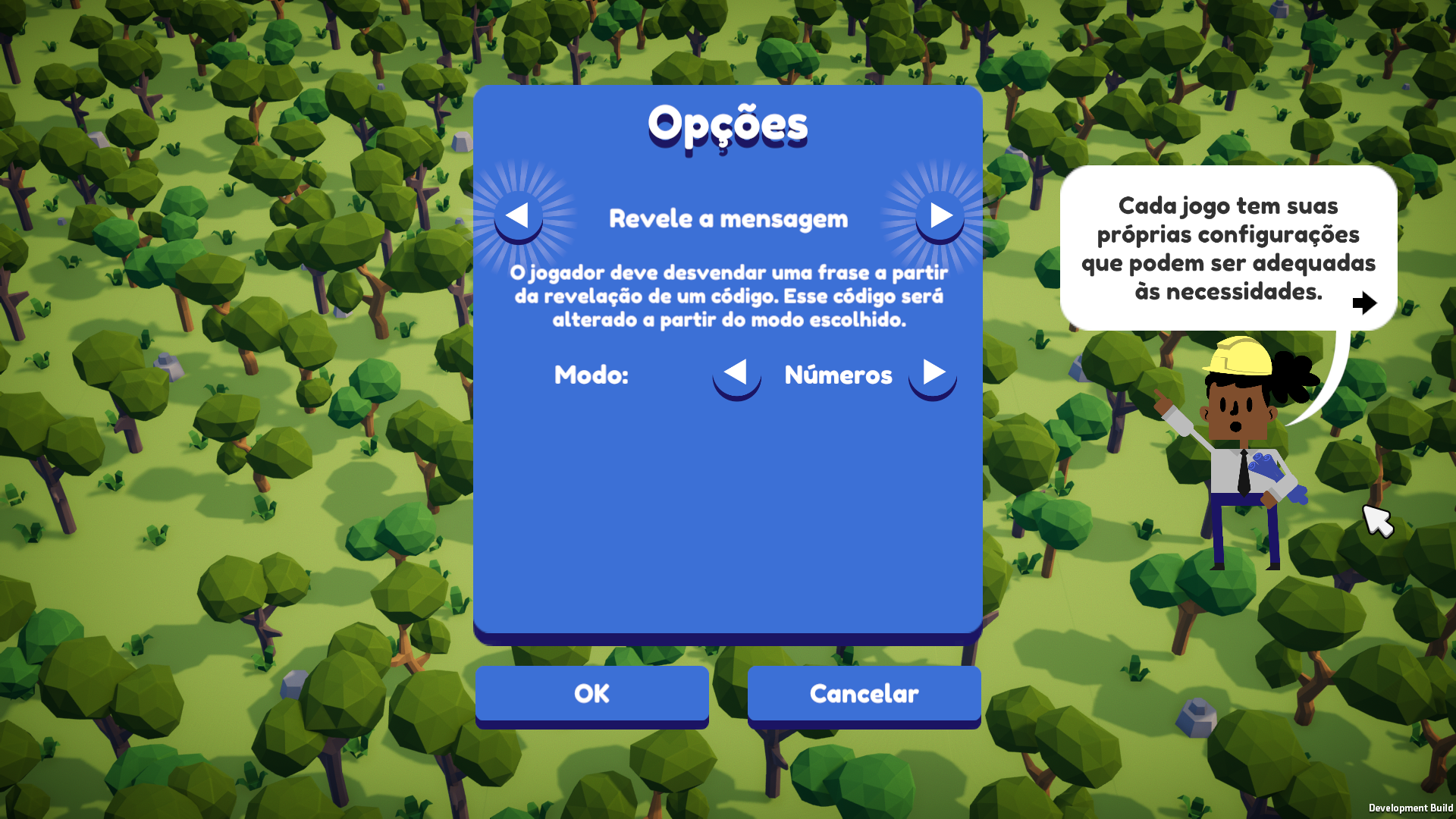
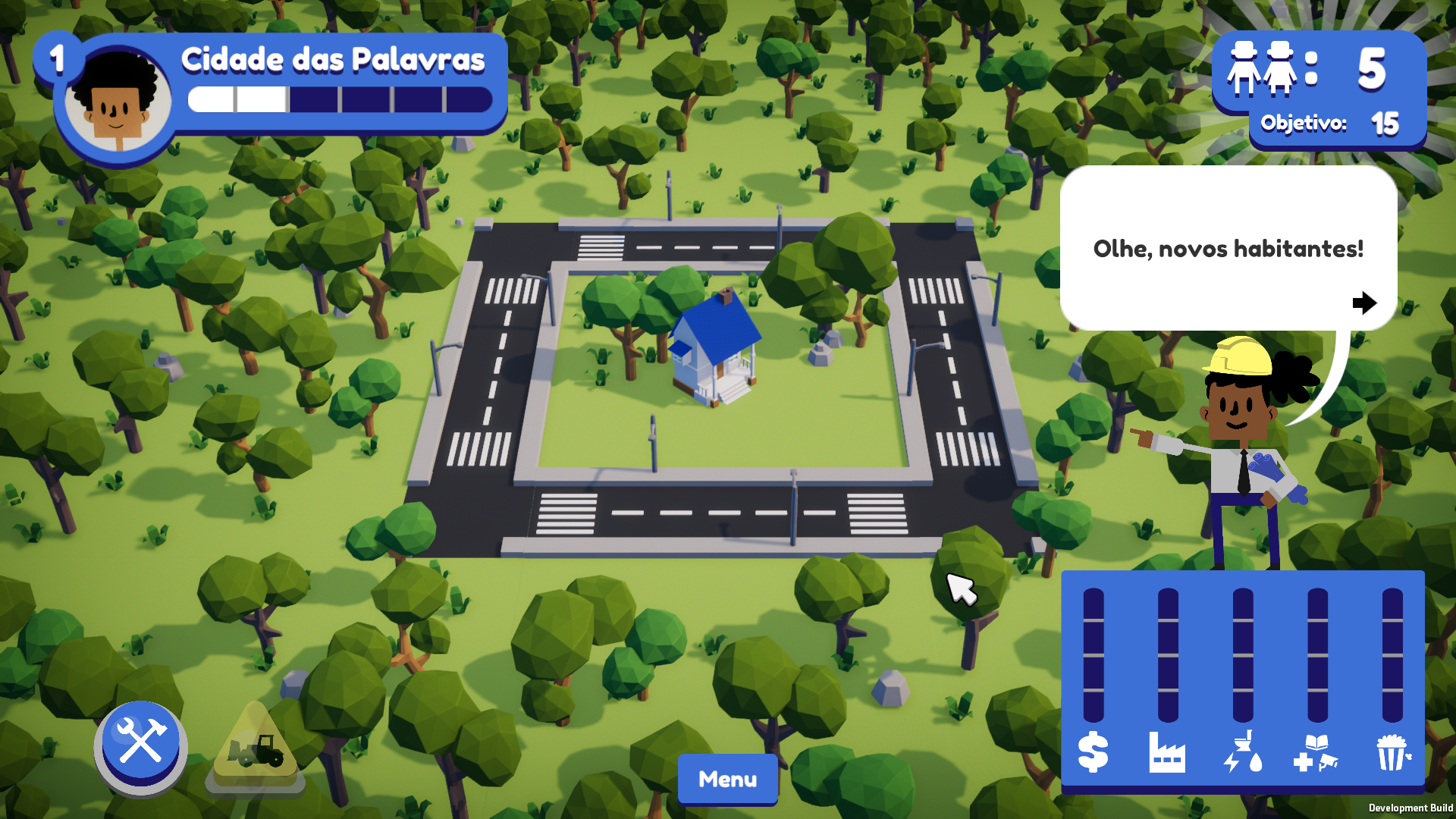
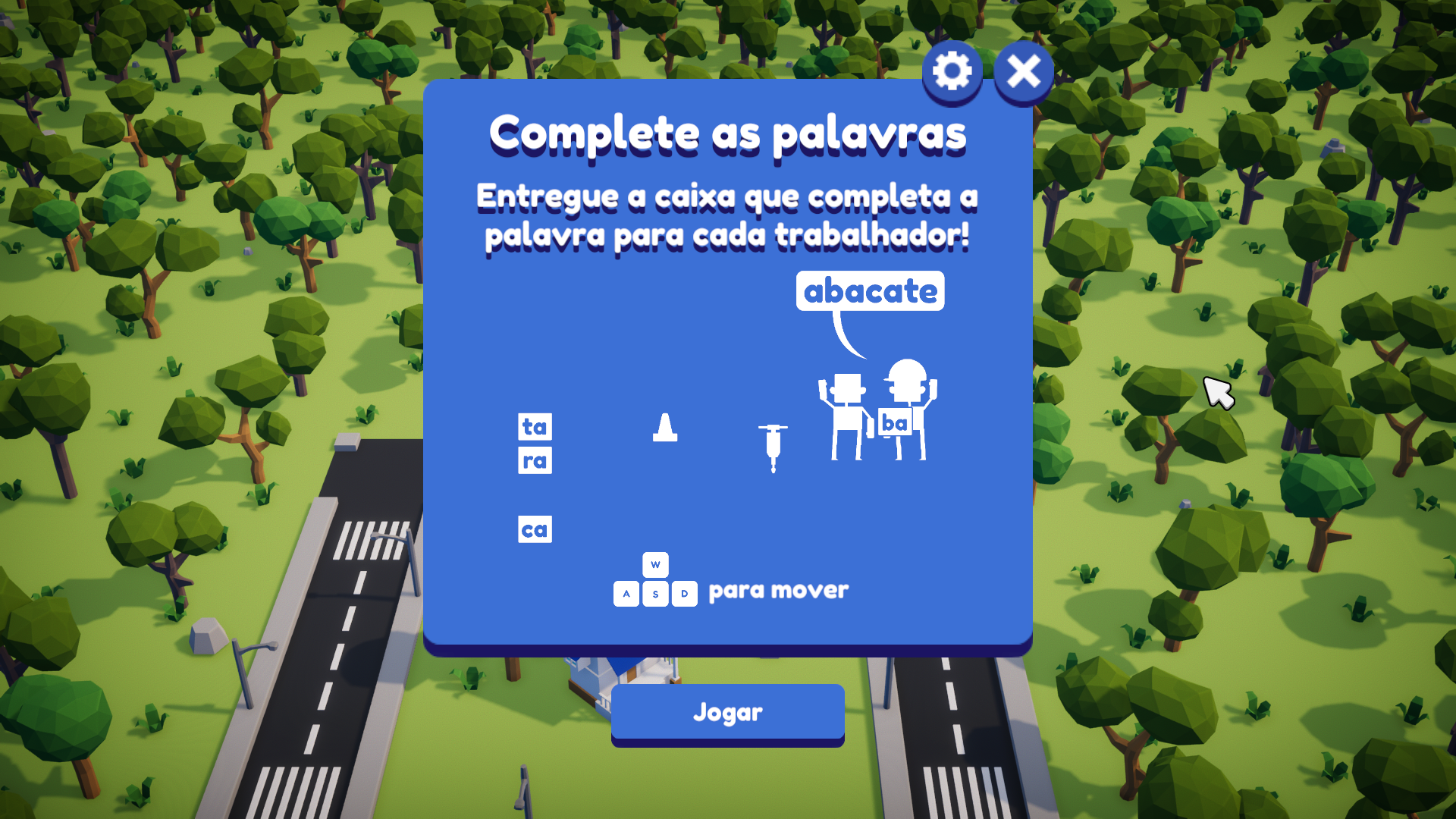
Parts of the interactive tutorial

Short game demo video